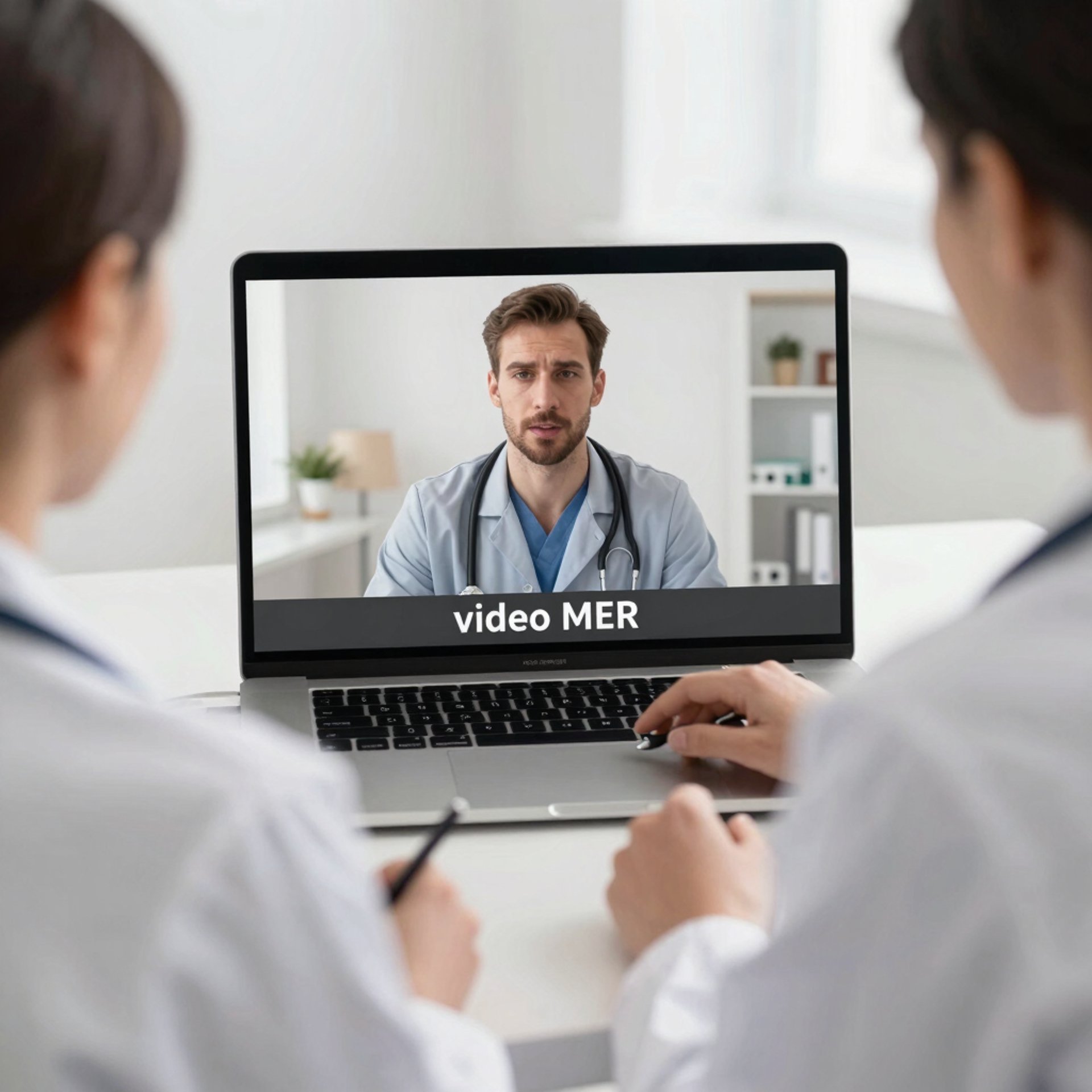
Video MER, or Video based Medical Examination Report, is a process in which insurance companies use video technology to remotely conduct medical examinations for applicants or proposers, using qualified medical professionals. This can be done through the use of video conferencing tools.
Insurance companies may use Video MER to reduce costs and improve efficiency by eliminating the need for in-person medical exams. It can also be used to quickly assess the medical condition of an applicant, which can help the company make informed decisions about coverage and sums assured.
Video MER can be especially useful for insurance companies that need to review medical exams for applicants or proposers, who are located in remote or underserved areas, or who have mobility or transportation issues that make it difficult for them to attend an in-person exam.
How effective is Video MER compared to Physical MER?
Video Medical Exam Report (Video MER) and Physical Medical Exam Report (Physical MER) are both methods utilized by insurance companies to perform medical examinations on individuals seeking insurance coverage. Each method can be useful in different scenarios, but it is crucial to assess the unique requirements and situations of the policyholder or applicant when determining which approach to adopt.
One benefit of Video MER is that it enables insurance companies to assess medical examinations from a distance, offering greater convenience and accessibility for policyholders or applicants residing in remote or underserved regions, or those facing mobility or transportation challenges. Video MER can also lower the risk of transmitting infectious diseases by negating the necessity for in-person appointments.
Conversely, Physical MER may be essential in instances where a more extensive and detailed examination is needed. For instance, if a policyholder or applicant possesses a complicated medical issue that necessitates a hands-on evaluation or specialized testing, Physical MER might be the better choice.
Overall, the effectiveness of Video MER versus Physical MER will hinge on the distinct needs and circumstances of the policyholder or applicant, as well as the medical condition under review. Insurance companies should thoughtfully weigh these aspects when selecting the method for evaluating medical examinations.
Does Video MER help prevent the nexus between the medical professional and the proposer?
Video Medical Examination Report (Video MER) can help to reduce the potential for a nexus between a medical professional and a proposer by eliminating the need for in-person medical exams. In a Video MER process, the proposert can participate in the medical exam remotely, using a telemedicine platform or other video conferencing tool. This can help to prevent the medical professional and proposer from having direct contact, which can reduce the risk of any potential conflict of interest or influence.
It is important to note, however, that while Video MER can help to reduce the potential for a nexus between a phlebotomist and a proposer, it may not completely eliminate the risk. Insurance companies should carefully review the policies and procedures they have in place to ensure that the medical exam review process is fair, impartial, and objective.
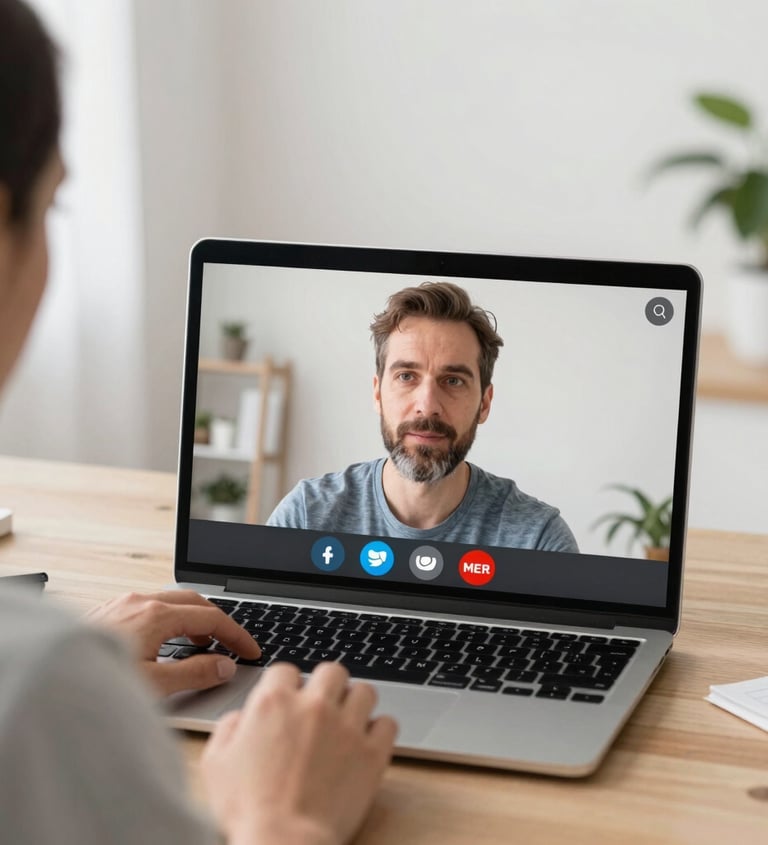
Can recordings of video MER’s help insurance companies offer lower premiums and higher sum assured?
Video MER can also help insurance companies to make more informed decisions about coverage by providing a more comprehensive view of the policyholder or proposer’s medical condition. By reviewing medical exams in real time, insurance companies can ask questions and gather additional information as needed, which can help to provide a more accurate assessment of the policyholder or applicant’s health.
In some cases, the use of Video MER may allow insurance companies to offer lower premiums and higher sum assured to policyholders or applicants. However, the specific impact on premiums and sum assured will depend on a variety of factors, including the policyholder or proposer’s medical history, age, lifestyle, and other risk factors. Ultimately, the goal of Video MER is to provide a more efficient and effective way for insurance companies to review medical exams, rather than to directly impact premiums and sum assured.
Do insurance companies need to keep the recordings?
It is typical for insurance companies to retain recordings of Video Medical Examination Reports (Video MERs) as part of their official records and documentation. Such recordings may serve as references for future assessments and decisions regarding coverage and guaranteed amounts.
Additionally, there is a legal or regulatory obligation established by the IRDA (Insurance Regulatory and Development Authority of India) that requires the retention of Video MER recordings for a duration of three years.
Beyond any legal or regulatory obligations, insurance companies may opt to keep Video MER recordings for their internal use, such as for quality assurance, training purposes, or to inform future coverage decisions and sums assured.
How do Insurance Companies benefit from Video MER?
Insurance Companies can derive advantages from Video Medical Exam Review (Video MER) in various ways. Here are some potential benefits of Video MER for underwriters:
Enhanced efficiency: Video MER enables remote review of medical exams, saving time and minimizing the necessity for in-person visits. This contributes to a more efficient underwriting process.
Better accuracy: By examining medical exams in real-time, doctors can pose questions and collect additional information as necessary, facilitating a more precise assessment of a policyholder or applicant’s health.
Cost reductions: Video MER can lead to lowered expenses related to conducting in-person medical assessments, such as travel costs, facility rentals, and logistical considerations.
Increased convenience: Video MER offers greater convenience for policyholders or applicants situated in remote or underserved regions, or those facing mobility or transportation challenges.
Lower risk of exposure to infections: Remote review of medical exams allows underwriters to minimize exposure to infectious diseases, which is particularly crucial during pandemics or other public health crises.
Enhance Medical Underwriting with MER Checks?
The importance of MER checks is grounded in their capacity to maintain the integrity and accuracy of medical underwriting. AI-driven solutions transform this practice by facilitating thorough and careful evaluations of Medical Examination Reports. These AI technologies analyze extensive data and employ advanced algorithms to identify discrepancies, verify information, and assess health status more effectively than traditional approaches.
Benefits of AI-enhanced MER checks:
Improved accuracy in pinpointing health discrepancies.
Less manual errors and biases.
Quicker processing and analysis of medical data.
Consistency maintained across various reports and cases.
Increased capability to identify potential fraud or misinformation.
Utilizing AI for MER checks significantly advantages both insurance firms and policyholders by delivering a more precise and effective review process.